


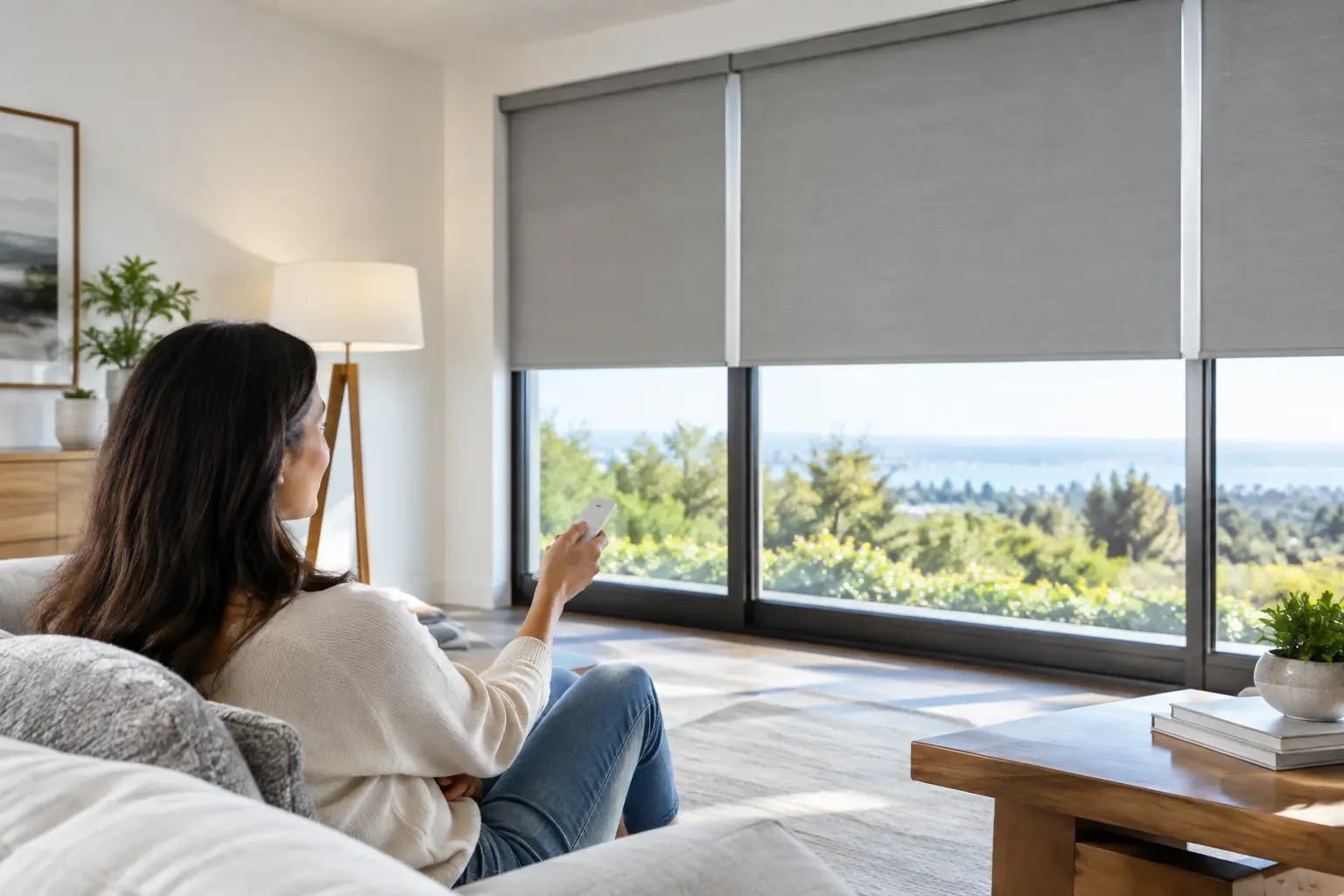
Motorized Window Shades That Make Life Easier
The afternoon sun can turn a comfortable living room into the brightest, hottest room in the house - right when you are trying to watch a movie, work from home, or help with homework. Motorized window shades replace that daily tug-of-war with simple, reliable control. With the touch of a button, a wall keypad, a remote, or a preset schedule, your shades move when you need them to.
For homeowners who value a polished home without another complicated device to manage, the appeal is practical. The right system protects privacy, reduces glare, supports energy efficiency, and makes tall or hard-to-reach windows far easier to live with. Just as important, professionally planned shades can look intentional from every angle rather than like an afterthought added to the room.
What Motorized Window Shades Improve Every Day
Motorized shades are often associated with dramatic media rooms and large custom homes, but their benefits are just as meaningful in everyday spaces. In a bedroom, scheduled shades can open gradually in the morning and close at night for privacy. In a family room, they can reduce screen glare before movie night. In a west-facing kitchen, they can lower during the hottest part of the afternoon without anyone leaving what they are doing.
The real value is consistency. Manual shades work well when someone remembers to adjust them. Automated shades follow the plan even on busy mornings, while you are away, or when the windows are too high to reach comfortably. That predictable control creates a more comfortable home and can help protect hardwood floors, artwork, furniture, and fabrics from prolonged direct sunlight.
They also contribute to a cleaner visual result. There are no dangling cords to manage, which is especially helpful in homes with children or pets. A carefully selected shade fabric and hardware style can soften a room while preserving the clean lines homeowners expect from a premium installation.
Where Motorized Shades Make the Biggest Difference
Any window can be a candidate, but certain situations make the investment especially worthwhile. Large banks of windows, high clerestory windows, skylights, and windows behind furniture are obvious choices because manual operation is inconvenient. Bedrooms, media spaces, home offices, and rooms with strong sun exposure also tend to deliver immediate results.
In an entertainment-focused room, shades should be considered alongside the television, projector, lighting, and audio system. Bright windows can wash out a screen and distract from the experience. The best approach may be a room-darkening shade for movie viewing, paired with lighting scenes that make it easy to transition from everyday use to a theater-like setting.
For living rooms and kitchens, a light-filtering fabric may be the better choice. It cuts harsh glare and softens the heat of direct sun while keeping the room bright and connected to the outdoors. The right answer depends on how the room is used, what direction the windows face, and how much privacy the space requires.
Choosing the Right Shade Fabric and Opacity
The motor is only one part of the decision. Fabric choice has a greater effect on the room's appearance, privacy, and light control. A consultation should begin with the experience you want from the space, not with a catalog of technical options.
Sheer shades preserve the view and diffuse sunlight, but they do not provide much nighttime privacy. Light-filtering shades offer more privacy and glare reduction while maintaining a soft daylight effect. Room-darkening fabrics are well suited to bedrooms and media rooms, although small light gaps can remain around the edges depending on the window and mounting style. Blackout solutions provide the strongest light control, particularly when paired with side channels or a carefully designed track system.
Color matters as well. Lighter fabrics often make a room feel open and reflective, while darker solar fabrics can preserve clearer outward views during the day. A darker shade is not automatically better for every sunny room, however. The surrounding finishes, the window orientation, and the desired atmosphere should guide the selection.
Power Options Should Fit the Home
Motorized window shades can be battery-powered, plug-in, or hardwired. Each option has a place, and a good recommendation depends on the number of shades, window locations, construction conditions, and the homeowner's preference for ongoing maintenance.
Battery-powered shades are often an excellent fit for existing homes because they avoid opening walls or adding visible power cables. Battery life varies based on shade size, fabric weight, usage, and available solar charging, so they still need occasional attention. For a few windows or a retrofit project, that trade-off can be very reasonable.
Hardwired shades are usually the preferred long-term option for new construction, renovations, and whole-home installations. They eliminate battery changes and provide a clean, permanent solution. The planning needs to happen early enough to coordinate low-voltage wiring and power locations before drywall is finished.
Plug-in shades can work where an outlet is close and can be concealed, but they are not always the most refined choice. A visible cable can undermine an otherwise meticulous installation. This is why an in-home assessment is valuable: the most convenient power source on paper is not always the best-looking solution in the room.
Simple Control Is the Point
A motorized shade system should make life easier, not introduce a collection of apps and remotes. A well-designed setup gives homeowners a few intuitive ways to operate their shades: a handheld remote, a wall keypad, a phone when away from home, and automated schedules or scenes.
For example, a “Good Morning” scene might raise bedroom shades and bring selected lights up gently. A “Movie Time” scene could lower media-room shades, dim the lights, and prepare the room for viewing. A vacation schedule can vary shade movement throughout the day, adding a lived-in appearance while the house is empty.
Integration is useful when it serves a real household habit. If your home already has connected lighting, home theater controls, or a broader automation system, shades can become part of one coordinated experience. If you only want simple shade control in one room, a dedicated remote and schedule may be all you need. The best system is the one everyone in the home can use confidently.
Professional Planning Protects the Finished Look
Window treatments have to perform mechanically, but they are also highly visible design elements. Precise measurements, mounting height, fabric alignment, bracket placement, and cable concealment all affect the result. On large windows or grouped openings, even a small inconsistency can be noticeable.
Professional installation also helps prevent common frustrations: shades that stop short, interfere with window handles, leave unexpected light gaps, or sit awkwardly behind molding. For automation projects, it ensures motors are properly configured, limits are set correctly, controls are labeled clearly, and every shade responds as expected.
At ECS Living, the goal is not simply to add motors to window coverings. It is to create a finished system that feels natural in the home, works reliably with the technology you already enjoy, and has support available after installation.
A Better Starting Point for Your Project
Before selecting fabrics or controls, spend a few days noticing how sunlight moves through your home. Identify the windows that create glare, heat up a room, expose private areas, or become difficult to reach. Consider when you want daylight, when you need privacy, and whether a room needs soft filtering or true darkness.
Those observations give a professional design conversation real direction. From there, the project can be tailored around the windows, the home's wiring conditions, the desired level of control, and the way your household actually lives. The result should not feel like another gadget to learn. It should feel like your home is more comfortable at the moments that matter most.


Comments